
1.Who you may call
- Calls to existing customers about their account or an appointment are treated differently from marketing calls to strangers.
- Marketing calls usually require consent or a clean do-not-call check, and are limited to permitted hours in the recipient's time zone.
- Keep an internal do-not-call list and honour requests immediately.
- Identify your business and the purpose of the call, and give a way to opt out.
2.Auto-dialers, prerecorded messages, and AI voices
Most countries restrict calls placed by an automatic dialer or that play a prerecorded or synthetic voice. In the United States, the FCC confirmed in February 2024 that AI-generated human-like voices are artificial or prerecorded voices under the TCPA, so these calls need prior express consent (written for marketing) and must identify the caller and give opt-out instructions. In the EU, the ePrivacy rules and national laws require prior consent for automated calling in most countries. In India, A2P (application-to-person) calling must be declared in advance on the DLT platform with the numbers used.
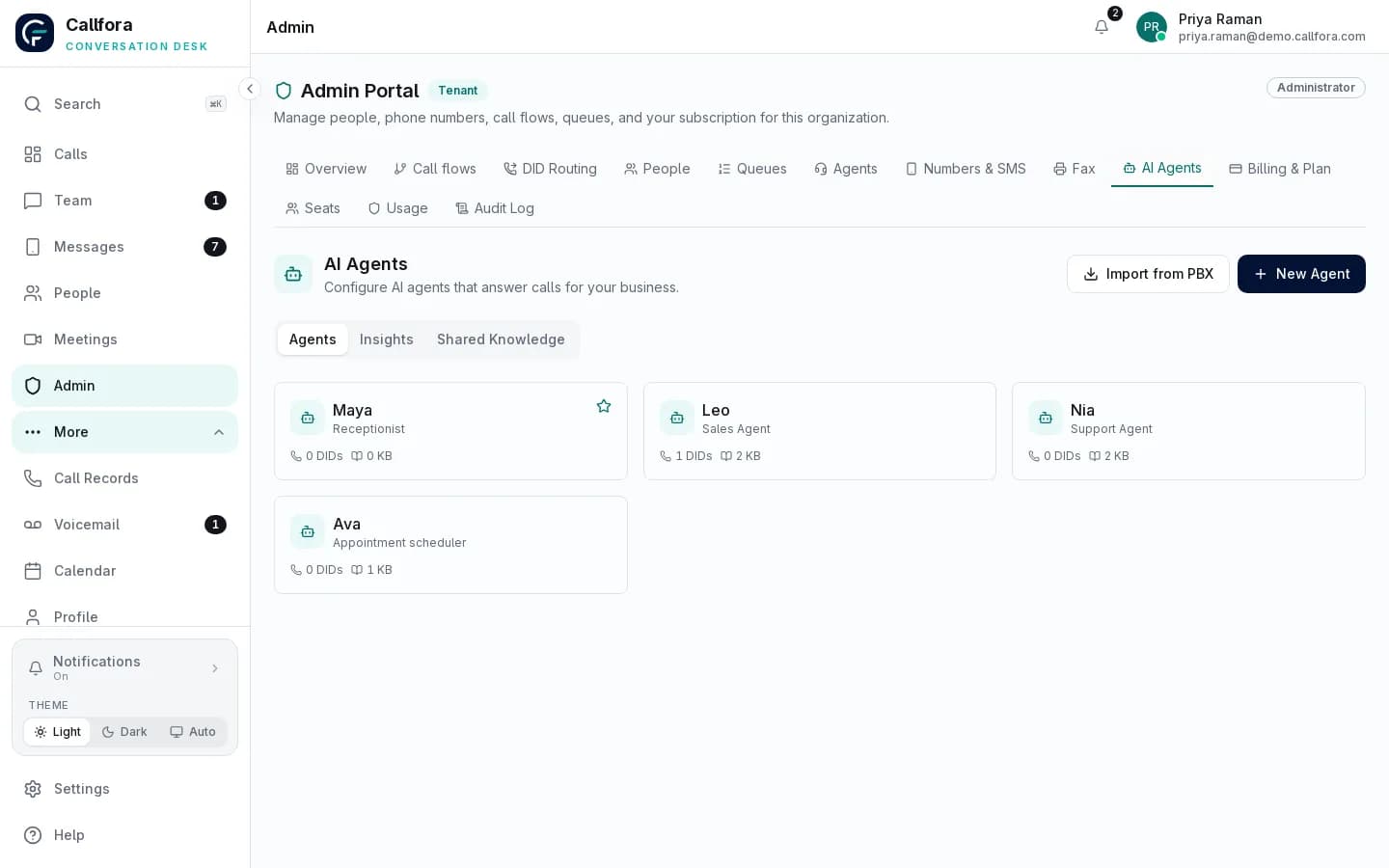
AI agents that answer inbound calls are different from AI agents that place calls. Read the AI agents terms before using AI for outbound calling.
3.Rules by country
| Place | Key rules |
|---|---|
| United States | TCPA; Telemarketing Sales Rule; National Do Not Call Registry and state lists; calling hours 8am to 9pm local time; STIR/SHAKEN and the Robocall Mitigation Database; state telemarketing registrations. |
| India | TRAI TCCCPR 2018 and the Third Amendment of 2026: DLT registration, A2P call declaration with CLI ranges, scrubbing against the Do Not Disturb registry; commercial calls only from designated number series. |
| European Union | ePrivacy Directive and national rules: opt-in or national do-not-call registers (varies); GDPR for data; displaying a valid number. |
| United Kingdom | PECR; TPS and CTPS registers; Ofcom rules on caller ID; ICO and Ofcom enforcement of silent and abandoned calls. |
| Canada | CRTC Unsolicited Telecommunications Rules; National Do Not Call List; telemarketer registration; calling hours. |
| Australia | Do Not Call Register Act 2006; Telecommunications (Telemarketing and Research Calls) Industry Standard; calling hours. |
| Singapore | PDPA Do Not Call provisions and registry checks. |
4.Caller ID
- Display only a number you own or are authorised to use. Spoofing with intent to defraud or cause harm is illegal in many countries (for example the US Truth in Caller ID Act).
- Calls from your numbers are signed by the carrier under STIR/SHAKEN in the US and similar frameworks elsewhere. A low trust score can cause your calls to be labelled or blocked.
- Keep your registered business name and use case accurate. Branded calling and number reputation tools are your responsibility to maintain.
5.Avoiding blocked numbers
Use numbers consistent with your business, keep answer rates healthy, avoid large bursts to unknown numbers, and do not rotate numbers to avoid blocking. We may restrict outbound calling when traffic looks abusive or a carrier asks us to.
6.Your records
Keep proof of consent and do-not-call checks for the period the law requires (for example five years under the US TCPA limitation period for litigation risk). Call history in the workspace can help but is not a substitute for a consent register.
Need help with this document?
Choose the route that matches your question. These links do not replace the terms above.